
CALL US TOLL FREE
888-996-9890

Choosing the right mattress isn’t just about comfort — it affects your sleep quality, back health, and how you feel every morning. Two of the most common mattress types people compare are foam mattresses and innerspring mattresses.
But which one is actually better for you?
In this guide, we’ll break down the real differences between foam vs innerspring mattresses, including comfort, support, durability, cooling, and who each type is best suited for — so you can make a confident, pain-free decision.
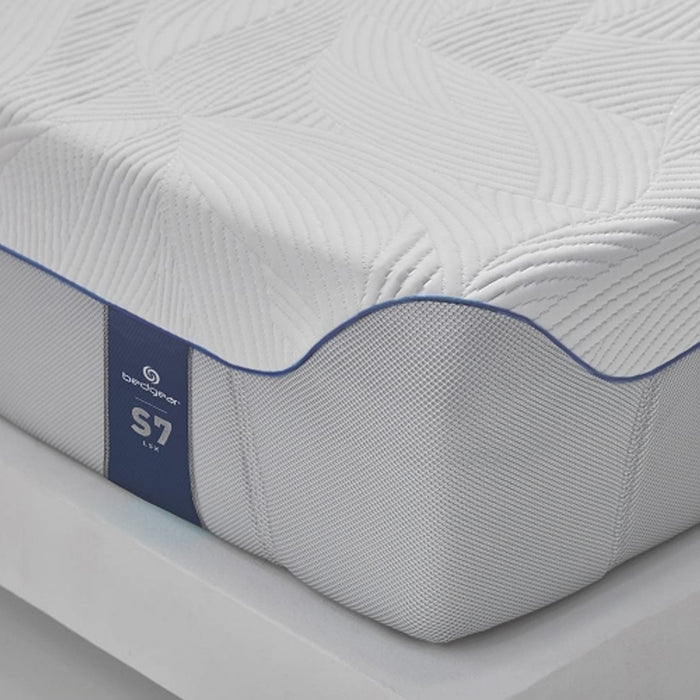
A foam mattress is made primarily from layers of foam rather than metal coils. The most common types include:
Memory foam – Known for pressure relief and body contouring
Polyfoam – More responsive and supportive than memory foam
Latex foam – Naturally cooler, more durable, and bouncier
Foam mattresses became popular for their ability to reduce pressure points, absorb motion, and adapt to your body shape.
Excellent pressure relief (great for joints and back pain)
Minimal motion transfer (ideal for couples)
Quiet — no creaks or squeaks
Works exceptionally well on adjustable bases
Some retain heat (unless designed with cooling features)
Less bounce than innerspring
Can feel too “hugging” for some sleepers
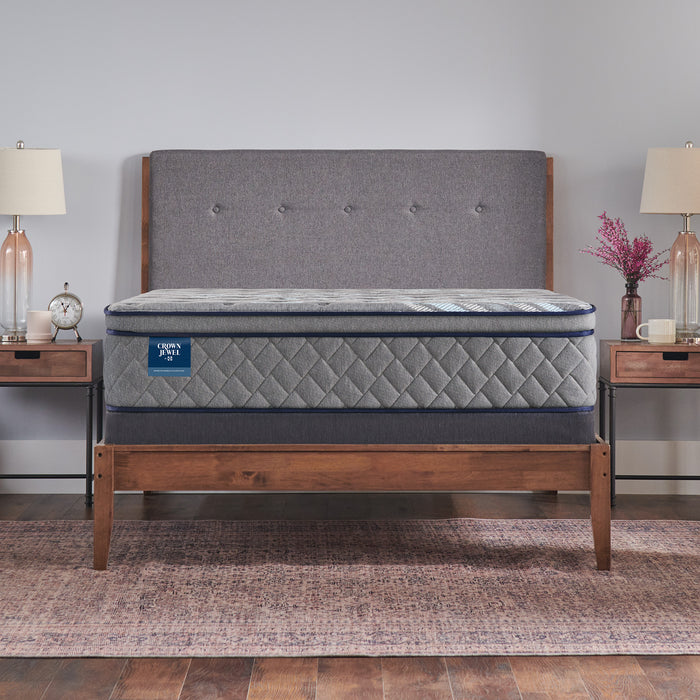
An innerspring mattress uses a steel coil support system topped with comfort layers (foam, fiber, or pillow-top materials).
There are different coil types, including:
Bonnell coils
Continuous coils
Pocketed (individually wrapped) coils
Traditional innerspring mattresses are known for their bounce and airflow, but modern versions vary widely in quality.
Strong edge support
Cooler feel due to airflow through coils
Responsive and bouncy
Often more affordable at entry-level price points
Limited pressure relief
Motion transfer can disturb partners
Can wear out faster than foam or hybrid designs
Not all models work well with adjustable bases
| Feature | Foam Mattress | Innerspring Mattress |
|---|---|---|
| Pressure Relief | ⭐⭐⭐⭐⭐ Excellent | ⭐⭐ Limited |
| Motion Isolation | ⭐⭐⭐⭐⭐ Very High | ⭐⭐ Low |
| Cooling | ⭐⭐⭐ (depends on materials) | ⭐⭐⭐⭐ Naturally cooler |
| Bounce / Responsiveness | ⭐⭐ Low–Moderate | ⭐⭐⭐⭐ High |
| Noise | Silent | Can creak over time |
| Adjustable Base Friendly | Excellent | Model-dependent |
| Durability | Moderate–High | Moderate |
For most people with back pain, a foam mattress performs better because it:
Reduces pressure on the spine
Supports natural alignment
Distributes weight evenly
That said, some sleepers prefer the firmer support of an innerspring mattress — especially stomach sleepers or heavier individuals — as long as the comfort layers are adequate.
👉 Best overall for back pain: Foam or hybrid mattresses
👉 Best for firm, traditional feel: Innerspring (high-quality models only)
Side sleepers need pressure relief at the shoulders and hips.
Foam mattresses excel here
Innerspring mattresses often feel too firm unless heavily padded
👉 Winner for side sleepers: Foam mattresses
Cooling depends more on materials than mattress type, but generally:
Innerspring mattresses allow more airflow
Foam mattresses with cooling gel, copper, or phase-change materials perform well
Latex foam is naturally temperature-neutral
👉 Naturally cooler: Innerspring
👉 Coolest overall: High-quality foam or hybrid with cooling tech
If you’re using an adjustable base, foam mattresses are the clear winner.
Foam mattresses:
Flex easily
Maintain shape in zero gravity
Reduce strain on motors
Innerspring mattresses may:
Resist bending
Wear unevenly
Be incompatible depending on coil system
👉 Best for adjustable bases: Foam (or hybrid)
Foam mattresses typically last 7–10 years, depending on foam density
Innerspring mattresses often last 5–7 years, especially budget models
Sagging and coil fatigue are common reasons innerspring mattresses wear out faster.
Many modern sleepers skip this debate entirely and choose a hybrid mattress, which combines:
Foam comfort layers
Pocketed coil support
Hybrids offer:
Pressure relief from foam
Support and airflow from coils
Better cooling than all-foam
Better durability than traditional innerspring
👉 If you’re torn between foam and innerspring, hybrid is often the safest choice.
Choose a foam mattress if you:
Have back or joint pain
Sleep on your side
Share a bed
Use an adjustable base
Want quiet, pressure-relieving comfort
Choose an innerspring mattress if you:
Prefer a firmer, bouncy feel
Sleep hot
Want strong edge support
Like a traditional mattress experience
Still unsure? A hybrid mattress may give you the comfort of foam with the support and cooling of coils.
Explore our latest mattress guides and reviews to find the best fit for your sleep style, comfort needs, and budget — or visit one of our sleep experts in-store for personalized recommendations.