
CALL US TOLL FREE
888-996-9890

When you’re shopping for a bed for recovery, aging-in-place, mobility issues, or chronic pain, it’s easy to assume a hospital bed is the “correct” option.
But here’s the truth:
For most people at home, a modern adjustable bed can provide the comfort, support, and elevation they need — without turning the bedroom into a medical facility.
In this guide, we’ll break down the real differences between adjustable beds and hospital beds, who each one is best for, and how to choose the right option in 2026.
An adjustable bed (also called an adjustable base) is a bed frame that lets you raise and lower the head and foot of the bed using a remote or app.
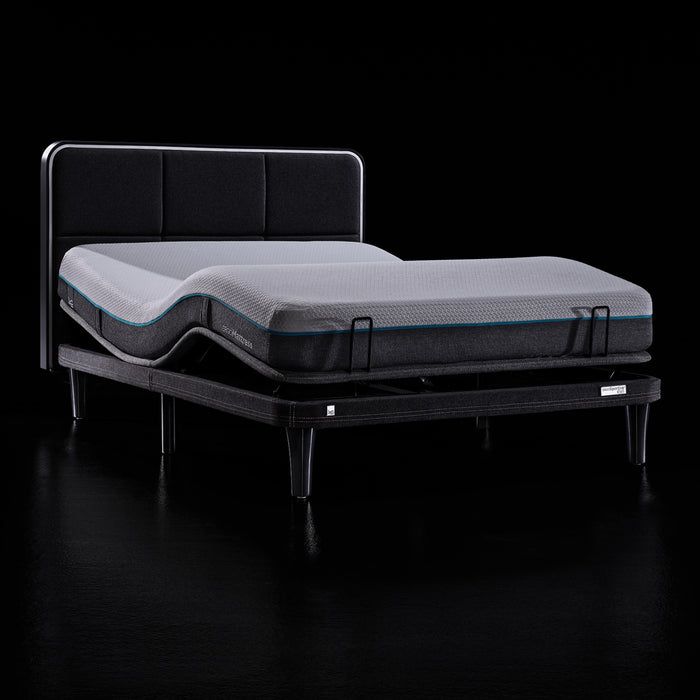
Modern adjustable bases often include premium features like:
Zero gravity positioning
Massage / vibration
Under-bed lighting
USB charging
Wall-hugging / zero-clearance design
Split king compatibility (for couples)
Most importantly, adjustable beds are designed to look and feel like a normal bedroom bed — just way more comfortable.
A hospital bed is a medical-grade bed designed for clinical care or long-term medical needs.

Hospital beds usually include:
Height adjustment (raise/lower the entire bed)
Side rails (partial or full)
Wheels / locking casters
Medical mattress compatibility
IV pole and accessory support
Trendelenburg positioning (tilting the entire bed)
Hospital beds prioritize caregiver access, safety, and medical function — not bedroom style.
Here’s the quick breakdown before we go deeper:
Best for:
comfort
sleep improvement
snoring / reflux relief
pain relief
home use
couples
Best for:
mobility limitations
fall risk
caregiver needs
post-surgery care
long-term medical support
Now let’s compare them side-by-side.
Most adjustable beds offer:
Head elevation (for reflux, snoring)
Foot elevation (for circulation, swelling)
Zero gravity mode
Massage
But they do not typically offer:
height adjustment
side rails
full-body tilt (Trendelenburg)
Hospital beds offer:
Head elevation
Foot elevation
Height adjustment (this is huge for safety + caregiving)
Rails and accessories
Better caregiver access
If the person using the bed needs assistance standing up, transferring, or moving safely — hospital beds win here.
This surprises most people:
Why?
Designed for long-term nightly comfort
Compatible with premium mattresses (memory foam, latex, hybrid)
Better motion isolation in split setups
Softer and more “normal bed” feel
Hospital mattresses are designed for:
pressure relief
durability
medical needs (like preventing sores)
They are not always designed for “best sleep of your life.”
Bottom line: If the user will sleep in the bed nightly for months/years, adjustable beds often feel better.
Let’s be real.
A hospital bed:
looks medical
feels medical
can affect mood and mental health
can make the room feel like a care facility
An adjustable bed:
looks like a modern luxury bed
works with standard furniture
can be used with platform beds or frames
doesn’t scream “I’m recovering”
If dignity and comfort matter (and they do), adjustable beds are usually the better home choice.
This is where hospital beds can become necessary.
Pros:
elevation can help some people get comfortable
can reduce reflux/snoring issues
can reduce pain at night
Cons:
bed height stays the same
no built-in rails
transfers (getting in/out) can still be difficult
Pros:
height can be lowered for safer entry/exit
height can be raised for caregiver support
side rails reduce fall risk
easier transfers
Cons:
rails can cause entrapment risk if used incorrectly
can feel restrictive
If someone is at risk of falling or cannot safely get in/out of bed, a hospital bed may be the right choice.
If someone requires:
repositioning
hygiene assistance
dressing help
changing bedding frequently
home nursing visits
A hospital bed makes life easier because:
it raises up (less bending)
it can be rolled
it accommodates medical accessories
An adjustable bed is not built for caregiver workflow.
Typical ranges:
Entry-level: $400–$900
Mid-range: $900–$1,800
Premium: $1,800–$3,500+
Typical ranges:
Basic manual: $500–$1,200
Semi-electric: $900–$2,000
Full electric: $1,500–$4,000+
Specialty bariatric: $3,000–$10,000+
Also consider:
medical mattress costs
accessories (rails, trapeze, IV pole)
delivery/setup
Important note: Some hospital beds can be covered partially by insurance/Medicare when medically necessary.
Let’s make this simple.
better sleep
pain relief
snoring relief
acid reflux / GERD relief
circulation support
comfort + luxury feel
a bed for everyday life
Best for: most adults who want comfort and mild-to-moderate support.
height adjustment for safe transfers
side rails for fall prevention
caregiver assistance daily
long-term medical care
severe mobility limitations
Best for: advanced age, post-surgery rehab, serious mobility limitations, home nursing situations.
If you’re torn between the two, here’s the best move in many cases:
Such as:
a bed height that makes transfers easier
sturdy furniture-grade frame
a mattress designed for pressure relief
optional safety rails (aftermarket)
wedge pillows or positioning supports
This setup can provide:
better sleep
less pain
safer movement
a normal bedroom environment
Without the full hospital-bed vibe.
No. Adjustable beds raise the head/feet for comfort. Hospital beds are medical beds that often include height adjustment, rails, and caregiver-focused design.
Yes — for many surgeries, adjustable beds can help reduce pain and improve sleep by elevating the upper body or legs. But if transfers are difficult, a hospital bed may be safer.
If the person can still get in/out of bed safely, an adjustable bed is often ideal. If there’s fall risk or caregiver support is needed, a hospital bed may be better.
Yes, because the head can be elevated. However, adjustable beds usually offer better comfort and are more appropriate for daily sleep.
Not easily. Hospital beds are typically designed for one patient. Adjustable beds can be set up as a split king, letting each partner control their own side.
Here’s the simplest rule:
Most shoppers assume they need a hospital bed… but end up happier with a premium adjustable bed, especially if the goal is:
sleeping better
reducing pain
aging in place with dignity
improving comfort without turning the room into a clinic