
CALL US TOLL FREE
888-996-9890

A Tempur-Pedic mattress typically lasts 8–12 years, but real-world lifespan depends on how it’s used, how much weight it supports, and how well it’s maintained. While Tempur-Pedic mattresses are known for durability and pressure relief, many sleepers notice changes in comfort before the warranty period ends.
In this guide, we’ll explain how long Tempur-Pedic mattresses actually last, what causes them to wear out, how warranties work, and how to know when it’s time to replace yours.
Shop the products in this guide
Questions? Visit a Bedplanet showroom or shop all Tempur-Pedic mattresses.
Most Tempur-Pedic mattresses last 8–12 years, but many sleepers experience noticeable comfort decline between 6–8 years, especially with daily use, higher body weight, or inadequate support.
Tempur-Pedic mattresses generally last longer than traditional memory foam due to their high-density TEMPUR® material. However, lifespan varies by mattress type.
| Mattress Type | Average Lifespan |
|---|---|
| Tempur-Pedic | 8–12 years |
| Traditional Memory Foam | 6–8 years |
| Hybrid Mattress | 7–10 years |
| Innerspring Mattress | 5–7 years |
| Latex Mattress | 10–15 years |
Tempur-Pedic mattresses fall solidly in the premium longevity category, but no foam mattress lasts forever.
Even high-quality foam breaks down over time. Common factors that shorten lifespan include:
Foam compression from nightly pressure
Body weight concentration in one area
Heat retention, which can accelerate foam softening
Improper foundation or worn box spring
Lack of rotation (when applicable)
Using a solid foundation or adjustable base can help maintain support and reduce uneven wear.
Not exactly.
Tempur-Pedic warranties typically cover manufacturing defects, such as excessive sagging beyond a certain depth. They do not guarantee that the mattress will feel comfortable or supportive for the entire warranty period.
This means:
A mattress can still qualify as “functional” under warranty
But no longer feel comfortable or supportive to the sleeper
Comfort decline often happens before a warranty claim would apply.
You may want to consider replacing your mattress if you notice:
Visible sagging or uneven areas
Increased back, hip, or shoulder pain
Reduced pressure relief
Sleeping hotter than you used to
Waking up tired or stiff despite adequate sleep
If these issues persist, the foam may no longer be providing proper support.
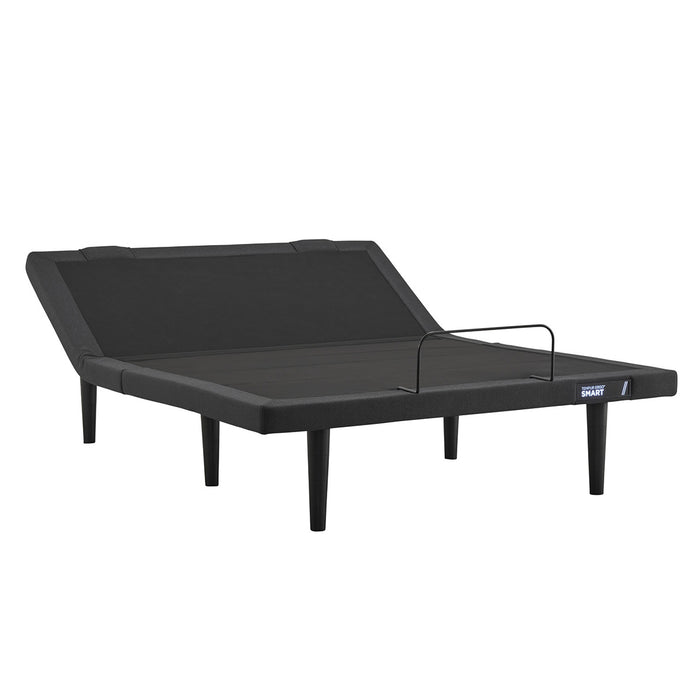
Yes — in many cases.
An adjustable base provides:
Even weight distribution
Reduced pressure points
Improved airflow
Less long-term foam stress
Many Tempur-Pedic models are designed to work seamlessly with adjustable bases, which can help maintain comfort and support longer over time.
To maximize lifespan:
Use a high-quality mattress protector
Ensure proper support from your foundation or base
Avoid placing the mattress on old or flexible box springs
Follow manufacturer care guidelines
Rotate the mattress if the model allows
Good maintenance won’t make a mattress last forever — but it can delay premature wear.
For many sleepers, yes.
Tempur-Pedic mattresses are designed for pressure relief, motion isolation, and long-term comfort. If your current mattress has lost support or no longer feels comfortable, replacing it can significantly improve sleep quality.
Many shoppers choose to upgrade to newer Tempur-Pedic models that offer:
Improved cooling technology
Enhanced pressure relief
Updated support layers
Ready to try one?
Questions? Visit a Bedplanet showroom or shop all Tempur-Pedic mattresses.
Do Tempur-Pedic mattresses sag over time?
All foam mattresses compress eventually, but Tempur-Pedic models tend to sag less than lower-density memory foam.
Can a Tempur-Pedic mattress last 15 years?
Some can, but most sleepers replace them earlier due to comfort changes rather than structural failure.
Does body weight affect mattress lifespan?
Yes. Higher body weight can accelerate foam compression, especially in consistent sleep positions.
Is Tempur-Pedic better than traditional memory foam?
Tempur-Pedic uses higher-density materials, which generally provide better durability and pressure relief.
A Tempur-Pedic mattress is built to last longer than most foam mattresses, but comfort lifespan and warranty coverage are not the same thing. Understanding how long these mattresses realistically last — and what affects their durability — helps you make a smarter replacement decision when the time comes.