
CALL US TOLL FREE
888-996-9890

If you’ve browsed modern adjustable beds, you’ve probably seen the term “Zero Gravity Sleep Position.” But what exactly does it mean — and why do so many people say it’s life-changing for comfort, back pain, and better sleep?
In this guide, we’ll break down what zero gravity really is, the science behind it, and how you can easily set it up on your adjustable base for the best rest of your life.
The Zero Gravity position was originally developed by NASA to help astronauts reduce pressure on their bodies during launch.
When applied to sleep, it means positioning your body so your head and legs are slightly elevated, distributing your weight evenly and taking pressure off your spine.
In this position:
Your head is raised about 20–30°
Your knees are elevated about 25–35°
This creates a gentle “V” shape that supports your body’s natural curvature and allows blood to flow more freely — reducing stress on your heart, back, and joints.
Studies and sleep specialists agree that slight elevation of the upper and lower body can dramatically improve rest quality. Here’s why:
By keeping your spine in a neutral position, the zero gravity angle helps relieve tension in your lower back and lumbar area. It’s especially beneficial for those with herniated discs, sciatica, or chronic stiffness.
Elevating your head helps open airways and reduces soft tissue collapse — a common cause of snoring and mild obstructive sleep apnea. You’ll breathe easier and sleep more soundly.
Raising your upper body keeps stomach acid where it belongs — in your stomach — reducing nighttime reflux and heartburn symptoms.
By slightly lifting your legs, zero gravity positioning enhances blood flow and helps reduce swelling in your feet and legs — perfect for anyone who stands all day or experiences poor circulation.
The feeling of “weightlessness” eases muscle tension and calms your nervous system — making it easier to fall asleep faster and stay asleep longer.
Almost every modern adjustable base has a Zero Gravity preset button — including brands like Serta®, Tempur-Pedic®, Reverie®, and Leggett & Platt®.
If your base doesn’t have one, here’s how to manually adjust it:
Raise the Head Section about 20–30° (roughly the height of a thick pillow).
Lift the Legs until your knees are slightly bent and elevated above your heart — around 25–35°.
Fine-tune the angle until you feel your weight evenly distributed and your lower back pressure released.
💡 Pro Tip: For reflux or mild sleep apnea, increase the head elevation slightly beyond 30° to maintain airway alignment.
Yes — but you’ll need to adjust it slightly.
For side sleepers:
Keep your upper body incline shallower (10–15°)
Use a supportive pillow to keep your neck aligned
Raise knees minimally (10–20°) to reduce hip pressure
This hybrid setup delivers much of the same spinal relief while maintaining side-sleep comfort.
While nearly any adjustable base can mimic zero gravity, some models offer smoother articulation and advanced presets.
🛏️ Top Picks:
Serta® baselogic™ Gold Adjustable Base – smart presets and whisper-quiet motors
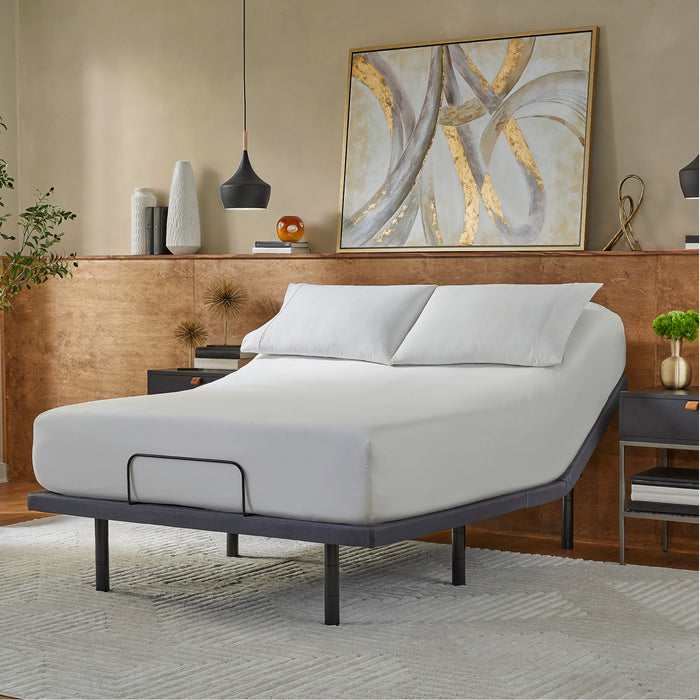
Ergo-Pedic iTilt Bed – intuitive remote with precision angle control
Tempur-Pedic Ergo Smart Base – automatic snore response and sleep tracking
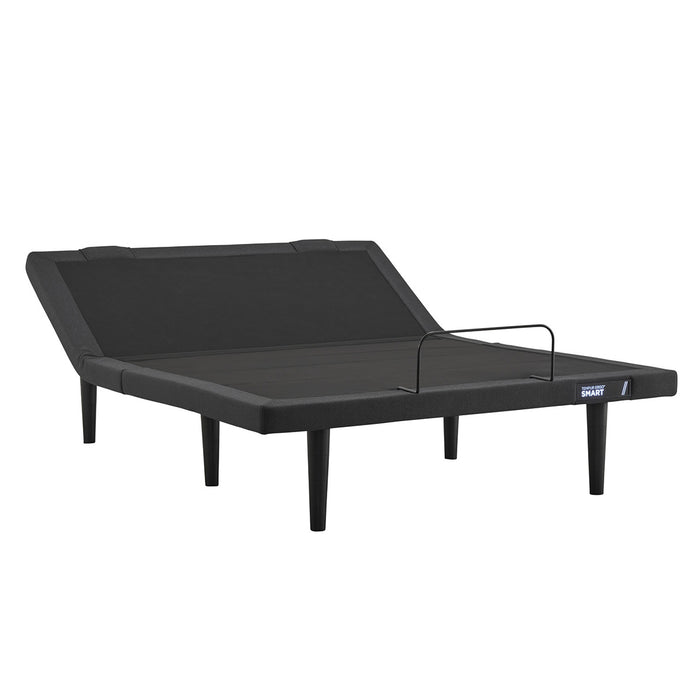
Reverie 9T Base – independent head/foot adjustment with memory presets
While generally safe, zero gravity may not suit everyone:
Late pregnancy: consult your doctor before elevating legs
Post-surgery recovery: follow physician instructions
Certain spine conditions: some may require flat or alternative postures
Always check with your healthcare provider if you have medical concerns.
| Issue | Possible Fix |
|---|---|
| Feet tingle or go numb | Lower leg angle slightly |
| Neck strain | Reduce head elevation or switch to thinner pillow |
| Sliding toward the foot of bed | Use adjustable base with anti-slide system or head tilt |
Experience true weightless comfort every night.
Explore our full range of adjustable bases and smart mattresses designed to deliver NASA-inspired rest.
👉 Shop Adjustable Bases at BedPlanet.com
What angle is zero gravity on an adjustable bed?
Typically, your head should be elevated 20–30° and knees 25–35°, forming a gentle V shape.
Is zero gravity good for back pain?
Yes — it decompresses the spine and relieves pressure points in the lower back.
Does zero gravity help with snoring?
Absolutely. The slight head elevation opens airways and reduces snoring episodes.
Can I use zero gravity if I have acid reflux?
Yes — it’s one of the most effective positions for reducing nighttime reflux.
Can I use zero gravity every night?
Yes. In fact, many people find they sleep more deeply and wake up with less stiffness and soreness.