Skip to content
SIGN UP FOR OUR MAILING LIST TO RECIVE AN INSTANT DISCOUNT
Best Adjustable Beds After Surgery (2026 Guide): Recovery, Comfort & Safety

Best Adjustable Beds After Surgery (2026 Guide): Recovery, Comfort & Safety

Recovering from surgery isn’t just about rest—it’s about how you rest.

Whether you’ve had back surgery, hip replacement, shoulder surgery, or even a C-section, your sleeping position can dramatically impact:

  • Pain levels
  • Healing speed
  • Swelling and circulation
  • Your ability to get in and out of bed safely

That’s why more patients (and doctors) are recommending adjustable beds for post-surgery recovery at home.

In this guide, we’ll break down:
  • Why adjustable beds help recovery
  • What features actually matter (and what doesn’t)
  • The best adjustable beds for recovery in 2026

Why Adjustable Beds Are Better for Recovery

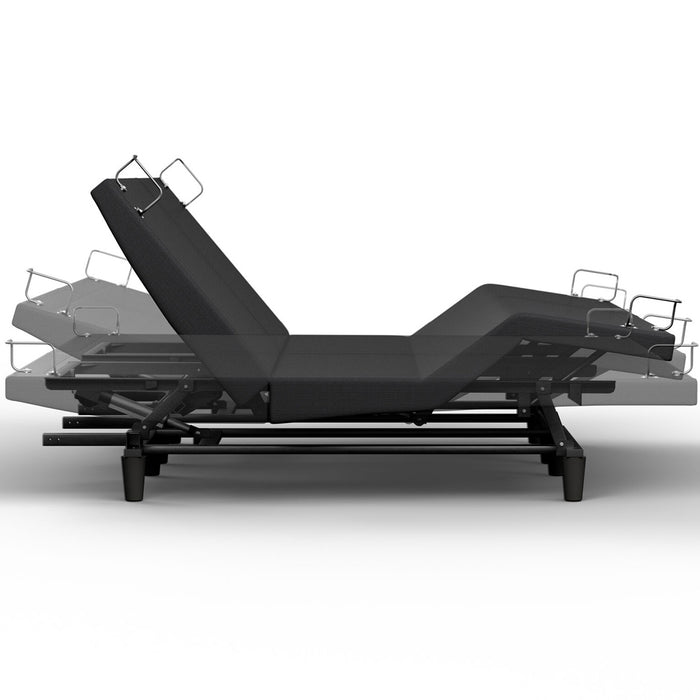
Reverie R650 Dual-Tilt Adjustable Power Base - Bedplanet

After surgery, flat sleeping positions often make things worse.

An adjustable bed lets you elevate your head, legs, or both, which helps:

✅ Reduce Pain & Pressure

Elevating key areas removes pressure from surgical sites—especially for:

  • Back surgery
  • Hip/knee replacements
  • Shoulder procedures

✅ Improve Circulation & Reduce Swelling

Raising your legs helps:

  • Reduce inflammation
  • Improve blood flow
  • Lower risk of complications like blood clots

✅ Make Getting In & Out of Bed Easier

One of the biggest challenges after surgery is simply standing up safely.

With an adjustable bed:

  • You can raise your upper body first
  • Then swing your legs out
  • Instead of “struggling up” from flat

✅ Support Doctor-Recommended Positions

Many surgeons recommend:

  • Sleeping slightly upright
  • Elevating legs
  • Avoiding certain angles

An adjustable base makes this automatic, not a balancing act with pillows.


Who Should Consider an Adjustable Bed After Surgery?

Adjustable beds are especially helpful if you’ve had:

  • Back or spine surgery
  • Hip or knee replacement
  • Shoulder or rotator cuff surgery
  • Abdominal surgery (including C-section)
  • Any procedure that limits mobility

If your recovery involves:
👉 pain when lying flat
👉 difficulty sitting up
👉 swelling in legs

…it’s worth seriously considering.


Key Features That Actually Matter (Don’t Overpay for the Wrong Stuff)

Not all adjustable beds are created equal. Here’s what matters most for recovery:


🔑 1. Smooth, Quiet Motor

You’ll be adjusting positions frequently.

Look for:

  • Quiet operation
  • Smooth transitions (no jerking)

🔑 2. Head + Foot Elevation

This is non-negotiable.

  • Head elevation → reduces pressure, improves breathing
  • Leg elevation → reduces swelling

🔑 3. Zero Gravity Position

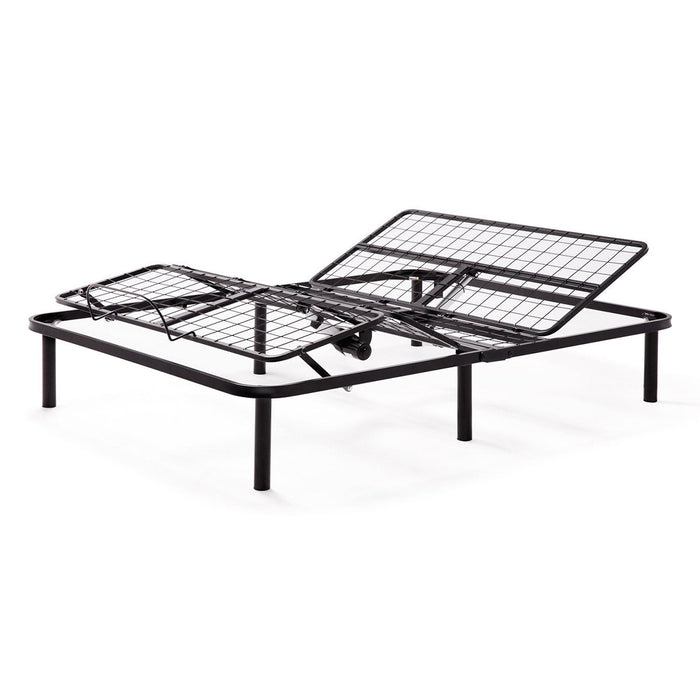
Malouf Structures™ N150 Adjustable Bed

This is huge for recovery.

It:

  • Distributes weight evenly
  • Reduces pressure on the spine
  • Improves circulation

👉 Many users say this is the most comfortable position post-surgery.


🔑 4. Wireless Remote (Simple Controls)

After surgery, you don’t want complicated controls.

Look for:

  • Large buttons
  • Preset positions
  • Easy-to-read layout

🔑 5. Wall-Hugging Design (Optional but Nice)

Keeps you close to your nightstand when elevated.

Less reaching = safer recovery.


🔑 6. Height Compatibility / Ease of Entry

You don’t want a bed that’s:

  • Too low (hard to stand)
  • Too high (risk of falling)

Adjustable Bed vs Hospital Bed (What You Actually Need)

Many people ask:
👉 “Do I need a hospital bed after surgery?”

In most cases:
No.

Adjustable Bed Pros:

  • More comfortable
  • Better for long-term use
  • Looks like a normal bed
  • More affordable

Hospital Bed Pros:

  • Medical rails
  • Insurance coverage (sometimes)

👉 Unless your doctor specifically requires one,
an adjustable bed is usually the better choice.


Tips for Using an Adjustable Bed During Recovery

✔ Start with small adjustments

Don’t jump to extreme angles right away


✔ Follow your doctor’s recommendations

Use the bed to support—not replace—medical advice


✔ Use pillows strategically

Even with adjustments, targeted support helps


✔ Keep the remote within reach

Sounds obvious… until you forget once 😅


Common Mistakes to Avoid

  • ❌ Buying the cheapest model with weak motors
  • ❌ Ignoring height and accessibility
  • ❌ Skipping zero gravity
  • ❌ Overcomplicating controls

Is an Adjustable Bed Worth It After Surgery?

For many people, the answer is yes—and often immediately noticeable.

If your recovery involves:

  • Pain when lying flat
  • Difficulty sitting up
  • Swelling or circulation issues

An adjustable bed can:
👉 reduce discomfort
👉 improve sleep
👉 make recovery safer and easier


Final Thoughts

Surgery recovery is temporary—but the right setup can make a permanent difference in how comfortable and safe that recovery feels.

An adjustable bed isn’t just a luxury—it’s a practical tool for healing.


👉 Ready to Find the Right Adjustable Bed?

Explore our top-rated adjustable beds designed for comfort, safety, and recovery:

Shop adjustable bases

Previous article Best Adjustable Beds with Massage (2026): Are They Actually Worth It?
Next article Adjustable Bed Financing Explained (2026): Monthly Costs, 0% APR, and What Dealers Don’t Tell You